


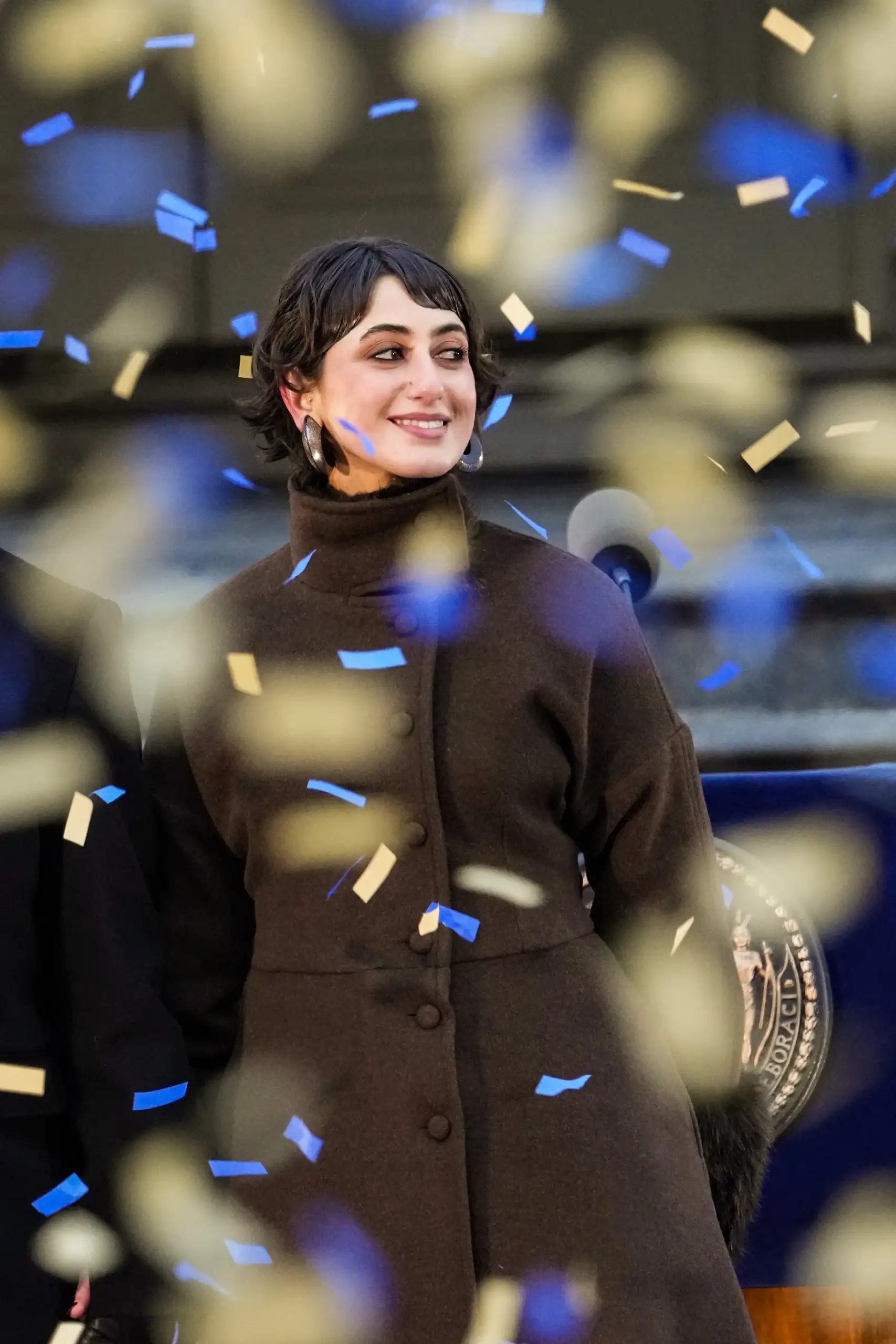

Fashion, especially in political spaces, is never just about clothes. It’s about signals what’s being said quietly, and who is being spoken to. Rama Duwaji’s First Lady style has drawn attention not because it is loud or extravagant, but because it feels intentional, thoughtful, and deeply aware of context.
Borrowing fashion, in this sense, isn’t about copying. It’s about conversation. When a First Lady chooses pieces inspired by different cultures, regions, or histories, she’s engaging in a delicate balance between representation and respect. These choices can feel inclusive, but they can also invite scrutiny. And that tension is what makes the conversation human.
People often underestimate how emotionally charged clothing becomes in political roles. Every outfit is read, interpreted, and sometimes overanalyzed. For someone in Duwaji’s position, dressing is less about personal taste and more about navigation how to appear approachable without diminishing authority, modern without erasing heritage.
Borrowed fashion carries symbolism. It suggests openness, curiosity, and connection. But it also raises questions: Who gets to borrow? From where? And under what circumstances? These questions don’t come from hostility they come from people wanting authenticity, not performance.
What makes Duwaji’s style resonate is its restraint. Rather than using fashion as spectacle, her looks feel grounded. They don’t shout power; they suggest confidence. That subtlety matters. In a world saturated with visibility, understatement can feel more honest.
Human behavior responds strongly to sincerity. When style feels calculated, people sense it. When it feels lived-in and considered, people lean in. Duwaji’s approach seems to recognize that fashion, especially in leadership spaces, works best when it supports presence instead of competing with it.
There’s also a generational shift at play. Modern audiences are more visually literate. They understand references. They notice borrowing. And they’re less interested in perfection than intention. Fashion becomes a language and tone matters more than volume.
In the end, Rama Duwaji’s First Lady style isn’t about borrowing for approval. It’s about using fashion as a bridge between cultures, expectations, and identities. And that’s why it sparks conversation. Because at its best, fashion doesn’t decorate power. It humanizes it.
