


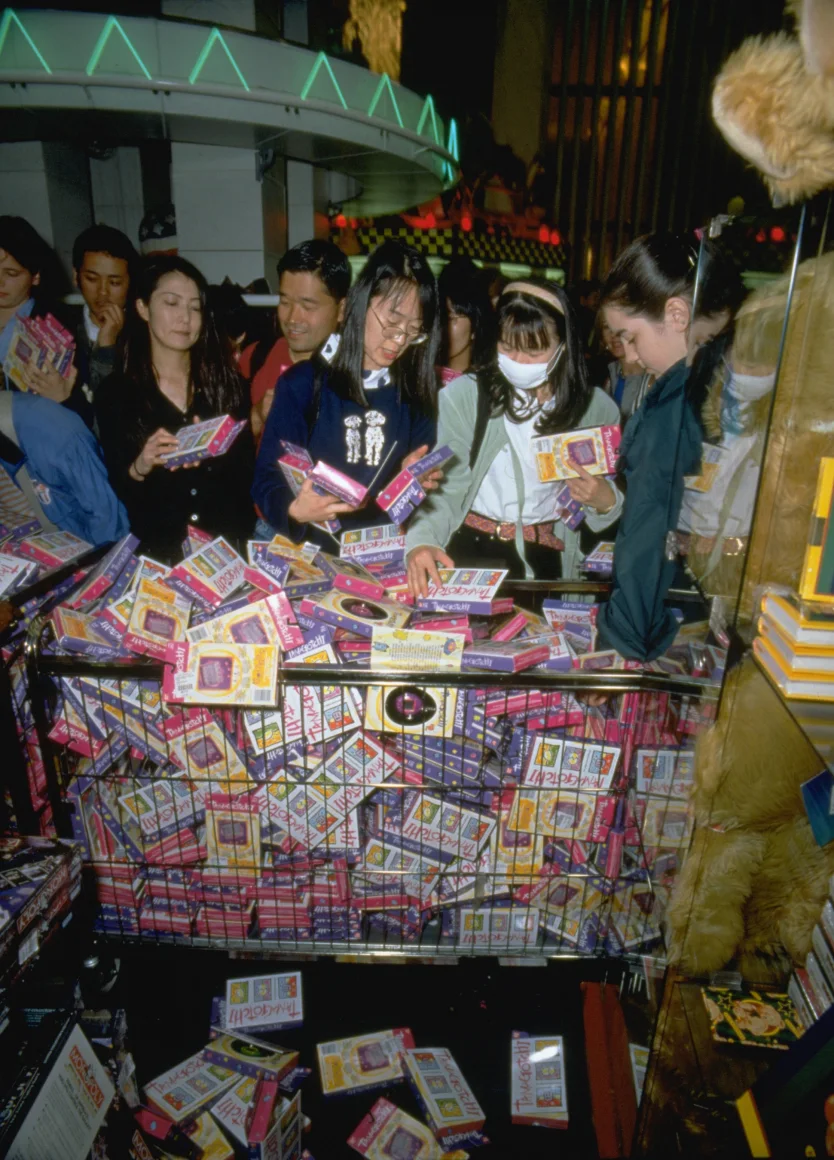

At first glance, Tamagotchis feel like a relic from a simpler time. A tiny digital creature, a few buttons, and an oddly intense sense of responsibility. Yet decades later, their return isn’t just about nostalgia — it’s about how people feel in a world that has become faster, louder, and more demanding.
For many, Tamagotchis represent a moment when attention was simpler. Caring for a pixelated pet didn’t involve endless scrolling, comparison, or performance. You fed it, checked on it, worried about it, and moved on. That small loop of care created a sense of purpose without pressure.
Human behavior is deeply tied to memory, especially emotional memory. People don’t miss the technology itself — they miss how life felt when they first encountered it. Tamagotchis remind people of boredom without guilt, of play without productivity, of caring without consequence. In today’s culture, where every moment is expected to be useful, that feeling is rare.
There’s also something revealing about why Tamagotchis resonate now. Modern life is filled with digital responsibility — emails, messages, notifications, expectations. Yet most of it feels abstract and endless. A Tamagotchi offers a contained form of responsibility. You know what it needs. You know when you’ve done enough. That clarity is comforting.
Style and culture are cyclical, but emotion drives what comes back. Tamagotchis fit neatly into the current shift toward softness, nostalgia, and personal meaning. Just like fashion is embracing playful accessories and throwback details, digital culture is rediscovering objects that feel personal rather than performative.
Another reason they still connect is control. In a world where so much feels uncertain — careers, relationships, the future — caring for something small and predictable restores a sense of agency. You can’t control everything, but you can keep this tiny creature alive. That matters more than it sounds.
Interestingly, adults are just as drawn to Tamagotchis as younger generations. For adults, it’s about reconnecting with an earlier version of themselves. For younger users, it’s about novelty without overload. Both groups are responding to the same emotional gap.
Tamagotchis also highlight a quiet resistance to constant optimization. They don’t improve your productivity. They don’t track performance. They don’t make you better — they just ask you to show up occasionally. In modern life, that’s almost radical.
In the end, Tamagotchis endure because they tap into something deeply human: the desire to care without pressure, to play without judgment, and to feel connected without being watched. They’re not just toys — they’re reminders that not everything meaningful needs to grow, scale, or perform. Some things just need attention.
