



Share This Article
Dubai Metro as a Symbol of Migrant Journeys Unveiled
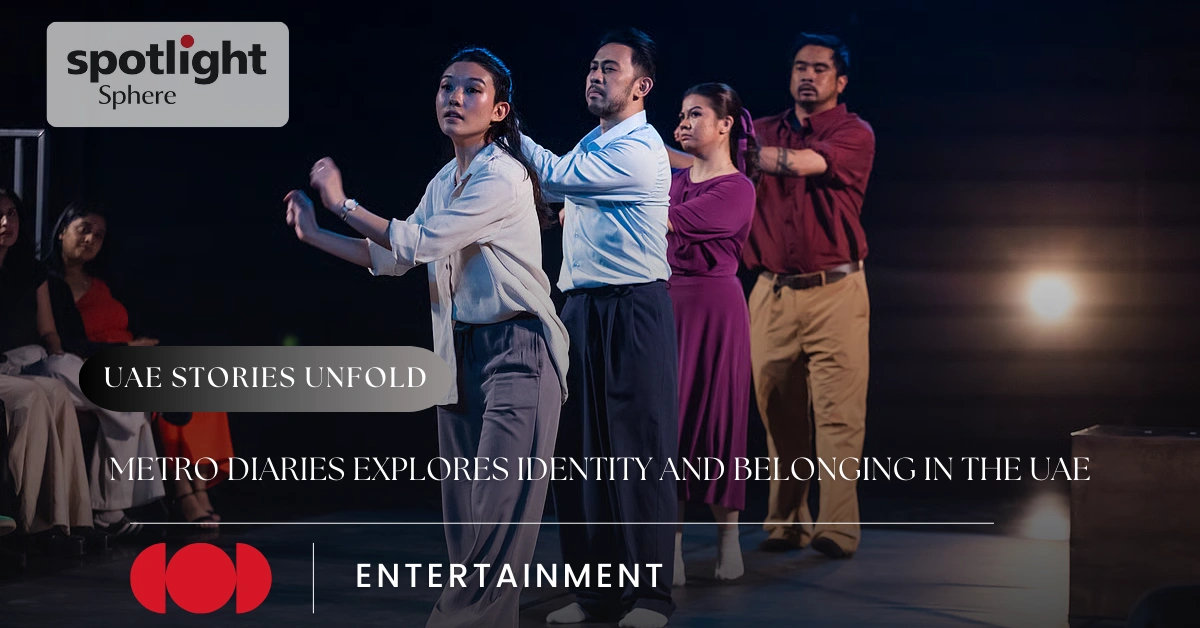
Metro Diaries is coming to Dubai with a moving look at migrant life in the city The cultural performance is created by plus sixty three Kolektib which is an independent group made up mostly of Filipino artists The show uses the Dubai Metro as the main symbol of the story For the group the metro is not only a way to travel from one place to another It reflects the migrant journey itself with waiting hope effort silence and quiet strength At its heart the performance shows how daily life in the Gulf can carry deep personal meaning
From Abu Dhabi to Dubai
Metro Diaries first premiered last year at The Arts Centre at New York University Abu Dhabi Now the show is returning to Dubai which is the city where many of its stories began The performance presents a clear and respectful look at migrant experiences in the city These stories come from real lives and are shaped by daily routines shared spaces private thoughts and the small emotional moments people often carry quietly while living away from home
Why the Metro Became the Setting
The idea of using the metro came from watching everyday life closely Jomel Duran Reyes who is a cultural producer and one of the performance makers sees rush hour as intense and demanding For him the crowded carriages show the real pressure of migrant life Every day can feel like a test of patience energy and strength The metro became the right setting because it holds many lives in motion at the same time Each person may be standing close to others but still carrying a private story
Growth Movement and Meaning
Jomel also sees the metro as a sign of progress It shows where migrants began what they have already achieved and where they still hope to go The journey is not only about moving across the city It is also about personal change struggle memory and small victories For many migrants each ride can carry thoughts about work family money dreams and the future Metro Diaries turns that ordinary movement into something emotional and meaningful
The Power of Small Wins
One of the most touching scenes in the play focuses on a character who finally has a room of their own BJ Hidalgo who is the production manager explains why this moment carries weight In a city where many people share rooms and living spaces having a private place to return to can feel like a real achievement It brings calm dignity and a sense of control Small wins like this may look simple from the outside but for many migrants they mean progress comfort and hope
Reflection as a Way to Keep Going
Jomel believes that paying attention to small moments can help migrants get through difficult days. Looking back at where someone started can show how far they have already come. This kind of reflection becomes a quiet source of strength. It reminds people that progress is still happening even when life feels slow or tiring. Metro Diaries creates space for those feelings and shows that survival is not always loud. Sometimes people find it in ordinary steps taken every day.
Stories Drawn From Real Life
The emotional strength of Metro Diaries comes from its honesty Jomel says much of the dialogue comes from personal journals and lived experiences of the performers BJ also describes a workshop where the group travelled on the metro and buses to observe daily life They took notes and photos while watching people pray make phone calls sit in silence and move through the city Many of those real observations became part of the script This gives the performance a grounded feeling because it comes from life as people actually live it
Stories That Cross Borders
Malavika Suresh, a spoken word artist and academic researcher, is one of the few non-Filipino members of the group. She says the stories feel personal but also widely relatable. The performance shows feelings that are not limited to one nationality. Anyone who has lived away from home can understand parts of the story. Longing, pressure, hope, and loneliness can cross language, culture, and background. She also notes that movement tells its own story. Even without words, the performers’ bodies carry meaning
Questioning the Idea of Resilience
One of the strongest themes in Metro Diaries challenges the idea of the endlessly strong migrant. People often praise Filipino workers abroad for resilience, but that praise can leave little space for pain, weakness, or vulnerability. Jomel says conversations around mental health were often missing. The performance explores emotional strain, work pressure, family expectations, and the quiet weight many migrants carry. Malavika adds that some migrants feel guilty when they struggle because they think they should only feel grateful. This inner conflict becomes an important part of the story.
Finding Connection With the Audience
Jomel remembers a moment by the corniche when the real shape of the script finally came together Since then audience responses have been deeply personal After one performance a person came to him in tears because she saw herself in the story on stage For the creators that moment made the work feel worthwhile Malavika also remembers someone saying it was the first time they had seen themselves represented in a play These reactions show why Metro Diaries matters It gives people a chance to feel seen
What the Creators Hope Audiences Feel
When asked what people should take away from Metro Diaries Malavika gives a simple answer Compassion She hopes audiences leave with more kindness for others and also for themselves She wants people to understand that moving slowly does not mean failing Personal struggles deserve to be noticed and accepted Jomel shares the same feeling He wants people to see value in their own stories and recognise the strength it takes simply to keep going
Looking at the Person Beside You
Metro Diaries asks audiences to look differently at the people they share the metro with It encourages viewers to see them not only as workers passengers or strangers but as people living long and complex journeys Each person may be moving toward work home family responsibility or a private dream The performance reminds Dubai that behind every commute there is a life story The show will take place on February fourteen at seven pm and February fifteen at four pm at SIMA Performing Arts in Alserkal Avenue
Read more inspiring community and lifestyle features at Spotlight Sphere.
