


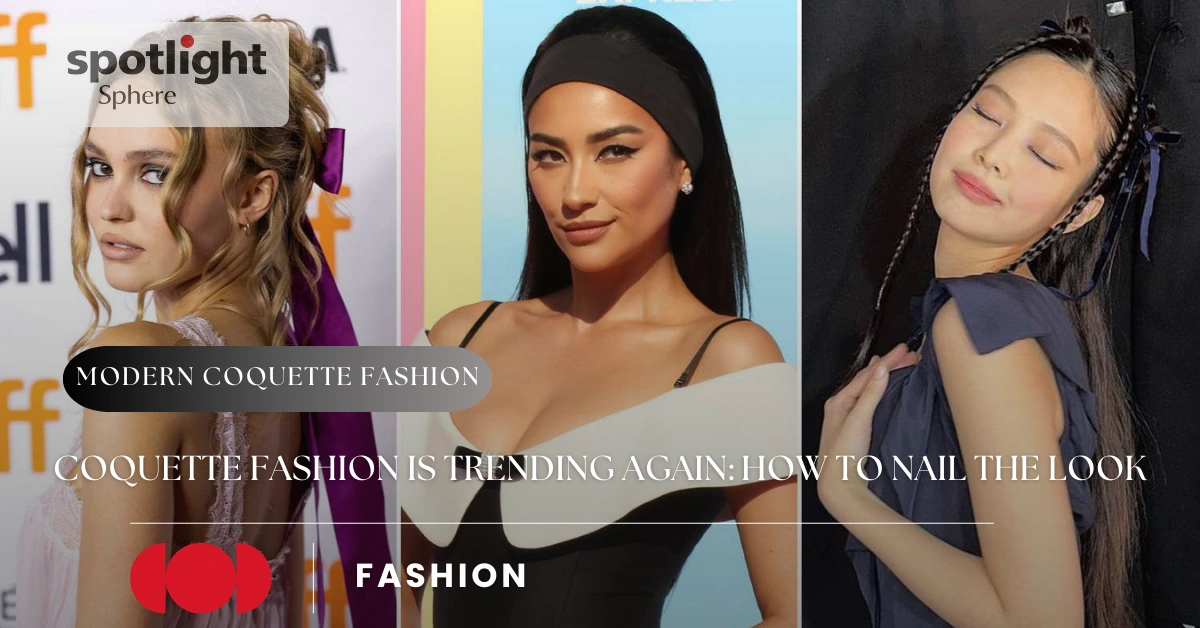

Coquette in 2026 Hits Different and Here Is Why
Three years ago this style was everywhere on Pinterest and then it just kind of disappeared. Or that is what people thought.
It did not disappear. It was just getting ready.
I have been watching street style content for a while now and something clicked maybe two months back. The ribbons were back. The lace was back. Ballet flats showing up again on people who clearly were not trying to do a throwback moment. But the whole thing felt sharper somehow. Less like a costume, more like an actual outfit that a real person put together on a real morning.
That difference sounds small. It is not small at all.
Nobody Who Was Paying Attention Called This a Dead Trend
The people who said coquette was just a TikTok phase got it wrong and I think they knew it even when they said it.
Here is what actually happened. The aesthetic went quiet online and during that quiet period real women started absorbing pieces of it into actual wardrobes. Not the whole look. Not head to toe ribbons and pastels and lace. Just one element. A bow here. A lace collar there. Ballet flats with something completely unexpected above them.
Fashion week noticed. Street photographers noticed. By the time 2026 arrived the thing had already done the hard work of becoming real without anyone making a big announcement about it. That is honestly how the best style shifts happen. Quietly and then all at once.
So What Does It Actually Look Like
Not what you are probably imagining if your reference point is 2023.
The formula right now is one soft thing and then everything else gets to be as unromantic as it wants. Lace blouse yes but the jeans are straight leg and completely rigid. Satin skirt fine but there is a blazer on top that means actual business. Ballet flats absolutely but the coat is oversized and has zero softness anywhere in it.
One bow on the bag. That is the only bow. One lace detail at the neck. That is the only lace. The soft element gets to stand out because nothing around it is doing the same thing. Which means it actually stands out instead of getting lost in a sea of other soft things competing for attention.
I tried the old way of wearing this once. Full pastel, multiple ribbons, lace layered over lace. Looked great flat on my bed. Walked outside and felt like I was going to a themed event nobody else knew about. The restraint thing genuinely changes everything.
Contrast Is What Makes This Work and I Cannot Say It Enough
The original coquette aesthetic online had zero restraint and that is why it never really crossed over into everyday life for most people.
Pastels on pastels. Bows literally everywhere. Lace on every surface available. In a photo it was beautiful. In a real environment it was a lot. Like a lot a lot. People dismissed the whole thing as unwearable and they were not entirely wrong about the version they were seeing.
But put one romantic piece next to something completely structured and watch what happens. The soft thing suddenly looks chosen. Intentional. Confident even. That is the word that keeps coming up when I try to describe what changed. Confident. Women wearing coquette in 2026 look like they decided to wear it. Women wearing it in 2023 looked like they fell into it.
Soft Dressing Is Not the Same as Soft Messaging
This is the bit that I feel like fashion writing keeps getting wrong.
There is this idea sitting underneath a lot of style commentary that choosing feminine delicate things means something about how seriously you take yourself. That lace and pearls and ballet flats are somehow less of a statement than a sharp blazer and loafers. That softness equals retreat.
The women actually wearing this right now are not retreating from anything.
Picking something deliberately delicate when you could wear literally anything else is a choice. It takes confidence to wear something that gets read as soft and not feel the need to balance it with something tougher to prove a point. Pearls with an outfit that has an actual edge to it. Ribbons with sharp structured shoulders. Lace underneath something that has no business being gentle.
That is where the real attitude in this aesthetic lives. Not in the soft pieces themselves but in the decision to wear them exactly where they look like they do not belong and make the whole thing work anyway.
FAQs (Frequently Asked Questions)
What is coquette style basically?
Feminine romantic dressing using lace, bows, pearls, satin, ballet flats and soft silhouettes. In 2026 the approach is one or two of those elements maximum paired with something structured or unromantic. The contrast between soft and sharp is what makes it feel current.
Why is it back?
It never actually left. It just moved off social media into real wardrobes slowly. By 2026 enough people had been quietly wearing pieces of it that it became visible again at scale.
What changed between the old version and now?
Restraint. The old version layered romantic element on top of romantic elements. Now you pick one and let everything else stay grounded. That single change is what makes it wearable versus costume like.
How do I try this without overdoing it?
Choose one soft piece. Lace top, satin skirt, ballet flats, a bow somewhere. Then make every other thing you are wearing have zero softness. The contrast does the heavy lifting.
Can I wear this to work?
Yes. Lace under a proper blazer. Pearl earrings with a clean suit. Ballet flats with formal trousers. Keep the romantic element small and let the structured pieces carry the overall impression.
What colours work?
Blush, ivory, pale neutrals for the soft pieces. Navy, dark brown, forest green for the structured ones. The contrast in tone reinforces the contrast in texture and silhouette.
Is this only for certain body types?
No. It is about proportion and what works for your specific shape. There is no single correct version of this look. You choose which soft elements suit you and build the contrast from there.
Where did it start?
Tumblr first. Then TikTok made it much bigger and much more visible. The references were always vintage and romantic. What 2026 did was figure out how to make those references functional for actual daily life rather than just beautiful in a photograph.
