


Share This Article
The Devil Wears Prada Returns with Focus on Online Fashion Influence
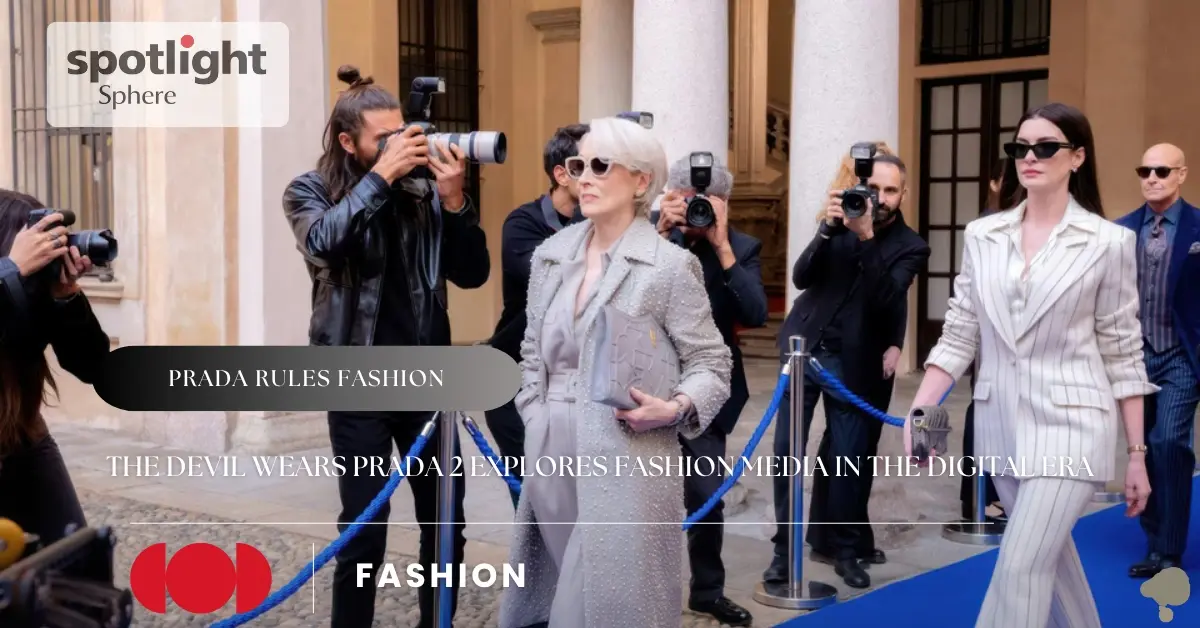
The return of The Devil Wears Prada introduces a new chapter in the world of fashion and journalism, focusing on how the industry has evolved in the digital age. While the original film captured the intensity of traditional magazine culture, the sequel shifts attention toward the growing influence of social media, online platforms, and changing audience behavior.
Rather than simply continuing the story, the film reflects a broader transformation within fashion media, where legacy publications are adapting to survive in a fast-moving digital environment.
What Happened: A Fictional Continuation of Fashion Media Evolution
The film presents a fictional continuation of the original story, exploring how key characters navigate a rapidly changing fashion and media landscape.
The narrative focuses on professional challenges, evolving industry expectations, and the growing pressure on traditional editorial platforms to remain relevant in a digital-first world. Instead of relying only on past success, the story highlights how adaptation has become essential for survival.
Why It Happened: Digital Disruption Reshapes Fashion Journalism
The sequel reflects real-world changes across the media industry.
Fashion journalism has undergone significant transformation over the past decade, with print publications facing declining influence while digital platforms continue expanding rapidly. Social media, influencer culture, and real-time content consumption have reshaped how audiences engage with fashion.
The film uses its characters to explore these shifts, emphasizing how legacy media institutions must evolve to stay relevant in an increasingly competitive digital landscape.
Who Is Involved: Iconic Characters Return to a New Industry Reality
The sequel brings back key figures from the original story, including Miranda Priestly and Andy Sachs.
These characters represent different perspectives within the fashion media world. Miranda reflects traditional editorial authority, while Andy represents a more modern and adaptable approach to journalism.
Their dynamic highlights the tension between legacy systems and new media environments, offering insight into how professional relationships evolve alongside industry change.
Industry Impact: Fashion and Media Become More Interconnected
The story reflects a broader industry shift where fashion, media, and digital platforms are increasingly interconnected.
Modern fashion influence is no longer limited to magazines and runway shows. Platforms like Instagram and digital publications now play a central role in shaping global trends, consumer behavior, and brand visibility.
This transformation has forced traditional media organizations to rethink content strategies, audience engagement, and long-term relevance.
Supporting Details: Themes of Growth, Identity, and Adaptation
At its core, the film explores themes of personal growth, identity, and professional evolution.
Characters are shown navigating changing expectations, redefining success, and adapting to new realities within the fashion industry. The story emphasizes that growth often comes from embracing change rather than resisting it.
The narrative also reflects how modern careers are shaped by flexibility, resilience, and the ability to evolve with shifting industry demands.
What Next: Fashion Media Continues to Evolve
Looking ahead, the relationship between fashion and media is expected to become even more dynamic.
Digital platforms will likely continue driving content consumption, while traditional publications adapt through innovation and new storytelling formats. The boundaries between journalism, entertainment, and social media are expected to blur further.
The film reflects these ongoing changes, positioning fashion media as an industry in constant transition.
Conclusion: A Story About Change in a Modern Industry
The Devil Wears Prada 2 highlights how the fashion and media industries have evolved in response to digital transformation.
This matters because it reflects broader changes in how information is created, shared, and consumed globally. The film moves beyond its original premise to explore deeper themes of adaptation, relevance, and professional growth.
As fashion continues to intersect with technology and global media, stories like this capture the challenges and opportunities shaping the industry’s future.
FAQs (Frequently Asked Questions)
What is The Devil Wears Prada 2 about?
The film explores how fashion journalism and media have evolved in the digital era.
When is The Devil Wears Prada 2 releasing?
It is expected to be released in 2026.
Which characters return in the sequel?
Key characters such as Miranda Priestly and Andy Sachs return in the story.
Read more fashion, entertainment and global style industry stories only on Spotlight Sphere.
