



Share This Article
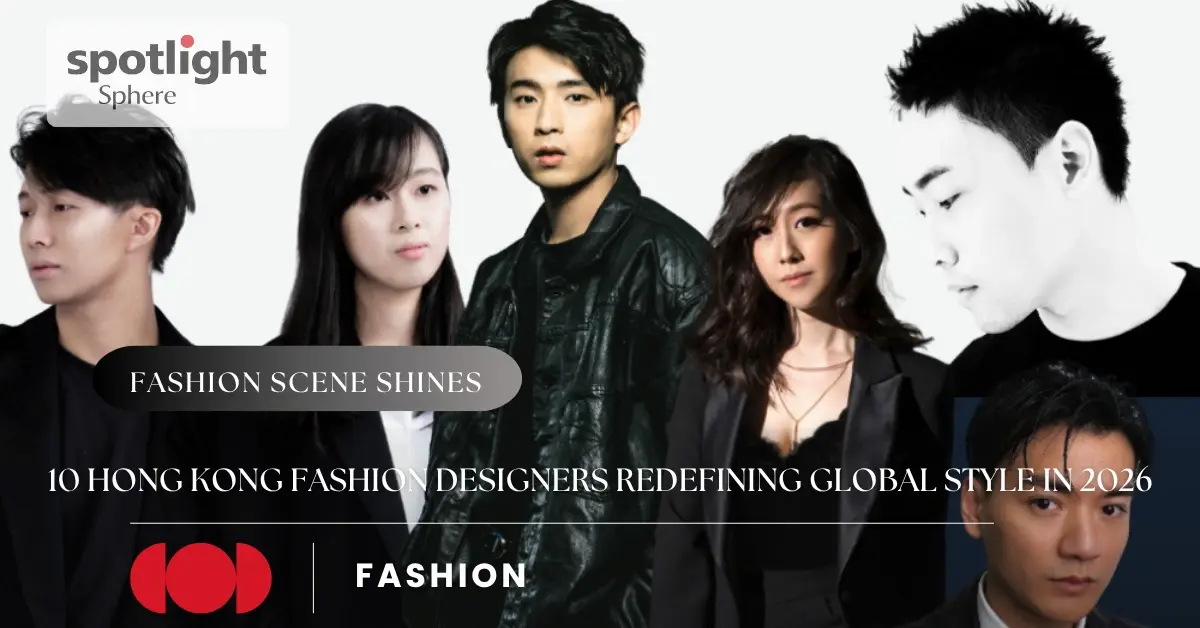
Hong Kong’s fashion scene is no longer operating quietly on the edge of global style conversations. A new generation of designers is using sustainability, cultural identity, digital visibility, and experimental craftsmanship to challenge the idea that fashion influence must always come from Paris, Milan, London, or New York.
What makes this shift important is not simply that Hong Kong designers are receiving more international attention. The deeper story is that their rise reflects a major change in how fashion power is being built. Traditional luxury houses have long depended on heritage, exclusivity, and carefully controlled brand identity. Hong Kong’s emerging designers are working from a different model. Their influence is often built through adaptability, cultural hybridity, sustainability-focused experimentation, and strong visual storytelling suited to a digital-first audience.
Supported by organizations such as the Hong Kong Fashion Council, these designers are helping reposition the city as more than a commercial fashion market. Hong Kong is becoming a creative bridge between Asian cultural expression and global fashion innovation. That gives the city a unique position at a time when the industry is questioning old systems of production, visibility, and value.
Why Hong Kong’s Fashion Rise Matters Now
The growing visibility of Hong Kong designers comes at a moment when the fashion industry is under pressure from several directions at once. Consumers are demanding more responsible production. Younger audiences are questioning traditional luxury status symbols. Digital platforms are changing how trends travel. At the same time, fashion brands are searching for new forms of storytelling that feel authentic rather than manufactured.
This is where Hong Kong’s fashion movement becomes important. The city’s designers are not simply following global sustainability trends. Many are using sustainability as a creative language. Recycled materials, garment reconstruction, deconstructed denim, vintage textiles, and low-waste production methods are becoming part of the design identity itself.
That matters because sustainability in fashion often risks becoming corporate language. Large brands may speak about responsibility, but their systems are still shaped by scale, seasonal output, and commercial pressure. Hong Kong’s independent and emerging designers often approach the issue differently. Their work can feel more personal, experimental, and visually honest because environmental responsibility is built directly into the concept of the garment.
This gives their work stronger editorial value. It shows that sustainability does not have to weaken creativity. In many cases, it can make fashion more visually interesting, emotionally layered, and culturally relevant.
The Shift From European Heritage Luxury to Asian Experimental Identity
For decades, luxury fashion relied heavily on history. A brand’s archive, founding story, couture heritage, or European identity often became the foundation of its authority. That model still matters, but it is no longer the only path to influence.
Hong Kong designers represent a newer kind of fashion authority. Instead of leaning on generational prestige, they often build relevance through experimentation and cultural flexibility. Their work reflects a world where identity is fluid, audiences are global, and fashion is consumed visually through screens as much as through physical retail.
This difference is important. Traditional luxury often asks consumers to enter the world of the brand. Newer experimental designers invite audiences into a conversation. Their collections are not always about perfection or status. They are about tension, memory, cultural contrast, and personal interpretation.
Chan Brun’s Röyksopp Gakkai is a strong example of this change. Her work blends knitwear, technology-driven design, manga references, vintage fabric, and youth-centered imagination. The result is not just clothing that looks different. It communicates how younger fashion audiences connect with nostalgia, fantasy, and identity.
Caroline Hú’s romantic couture also reflects this shift. Her designs do not rely only on surface beauty. They often use softness, volume, texture, and emotional vulnerability to create a feeling of intimacy. That is very different from traditional power dressing. It suggests that modern luxury is moving toward emotional expression, not just visual dominance.
How Sustainability Became a Design Method, Not Just a Message
One of the strongest signals coming from Hong Kong fashion is that sustainability is becoming a method of design rather than a marketing slogan.
Jasmine Cheuk’s Fab.flow demonstrates this clearly through sustainable denim and circular fashion thinking. Denim is one of fashion’s most familiar materials, but it is also tied to major environmental concerns because of water use, dyeing, and production waste. By working with deconstruction and reassembly, Cheuk turns a common material into a site of experimentation.
This matters because denim sustainability often focuses on technical improvements. Cheuk’s work adds a visual and conceptual layer. The garment carries evidence of transformation. It does not hide the process. It makes reconstruction part of the design language.
That approach is increasingly important in fashion because consumers are becoming more skeptical of vague sustainability claims. They want proof, process, and visible intention. Designers who can make sustainability both credible and aesthetically meaningful are better positioned for long-term relevance.
The same logic applies to designers working with vintage fabrics, recycled materials, and reconstructed silhouettes. These are not just environmental choices. They reflect a different philosophy of fashion, one that treats existing materials as creative resources rather than waste.
This is where Hong Kong’s designers create information gain for the global fashion conversation. They show that sustainability does not have to mean minimalism, restraint, or plainness. It can also produce fantasy, distortion, romance, streetwear energy, and conceptual drama.
Why Streetwear and Conceptual Fashion Are Becoming Cultural Tools
Hong Kong’s fashion identity is also being shaped by designers who treat streetwear as more than casual clothing. In many cases, streetwear becomes a form of cultural criticism.
Tigers Trolling, led by Tiger Chung Ka Ching and Tiger Chung Tsz Ho, reflects this approach. Their work combines urban references, surreal imagery, deconstruction, festival culture, and critiques of consumerism. That combination matters because streetwear has changed dramatically over the past decade.
Earlier global streetwear was often driven by logos, scarcity, and hype culture. Newer conceptual streetwear is more layered. It uses the visual language of youth culture while questioning the systems that turn identity into a product.
This is where Hong Kong designers have an advantage. The city itself is shaped by density, contrast, speed, and cultural overlap. Those conditions naturally feed into fashion that feels hybrid and restless. Instead of presenting one clean identity, many designers create work that reflects contradiction.
That contradiction feels especially relevant now. Modern consumers often live between different cultural references, online identities, and social expectations. Fashion that reflects complexity can feel more honest than fashion that offers a single polished fantasy.
This is why conceptual streetwear from Hong Kong deserves more attention. It is not only about style. It is about how younger designers are using clothing to process urban pressure, cultural fragmentation, and digital identity.
Digital Platforms Are Changing Who Gets to Influence Fashion
The rise of Hong Kong designers is also connected to a larger media shift. Fashion authority is no longer controlled only by runway calendars, print magazines, and luxury buyers. Instagram, TikTok, Pinterest, digital editorials, online fashion communities, and international competitions have created new paths to visibility.
This has changed the balance of power. Designers from regions outside traditional fashion capitals can now build recognition through visual impact and strong storytelling. A collection no longer needs to be filtered only through old industry gatekeepers before reaching a global audience.
For Hong Kong designers, this is a major advantage. Their work often photographs well because it contains texture, contrast, structure, and narrative detail. Digital platforms reward those qualities. A visually distinctive garment can travel faster online than a traditional brand campaign.
However, this also creates pressure. Designers must now think beyond garments. They must build worlds, moods, images, and stories. Fashion becomes part product, part media object, part cultural signal.
This is one reason collaborations with brands such as Adidas and Nike matter. They show that global companies are looking for designers who understand cultural storytelling and visual identity, not just technical design. In the digital fashion economy, the ability to create meaning around clothing is becoming almost as important as the clothing itself.
What Global Fashion Can Learn From Hong Kong Designers
The strongest lesson from Hong Kong’s fashion scene is that future influence may belong to designers who can combine several forces at once: sustainability, cultural identity, digital fluency, emotional storytelling, and commercial adaptability.
This is different from the older fashion model, where a designer could build authority mainly through silhouette, luxury materials, or brand exclusivity. Today, fashion has to work across more layers. It must look compelling, carry meaning, respond to cultural shifts, and survive digital circulation.
Hong Kong designers are already operating inside that complexity. They often move between couture and streetwear, heritage and futurism, sustainability and fantasy, local identity and global language. That flexibility gives them relevance in an industry where fixed categories are weakening.
The global industry should pay attention because this model may become more common. As fashion audiences become more fragmented and values-driven, brands that rely only on heritage may struggle to connect with younger consumers. Designers who can offer layered identity, responsible production, and strong visual storytelling may gain more influence.
This does not mean Hong Kong will replace Paris or Milan. The point is different. Fashion authority is becoming more distributed. The future will likely be shaped by multiple creative centers, each contributing its own cultural language.
Hong Kong’s contribution is clear: experimental, hybrid, sustainability-conscious fashion that reflects the emotional and visual complexity of modern life.
Future Outlook: Hong Kong’s Role in the Next Fashion Era
Looking ahead, Hong Kong designers are likely to gain more visibility as the industry continues shifting toward sustainability and cultural specificity. International fashion weeks, digital platforms, brand collaborations, and design competitions will continue opening doors for emerging Asian talent.
The bigger opportunity lies in positioning Hong Kong as a serious creative ecosystem, not just a source of individual designers. If the city continues supporting experimental fashion, education, sustainability initiatives, and global partnerships, it can strengthen its role as a regional fashion authority.
There is also strong potential for Hong Kong designers to influence how sustainability is presented visually. Many global brands still struggle to make responsible fashion feel exciting. Hong Kong’s emerging creatives show that eco-conscious design can be emotional, dramatic, youthful, and culturally rich.
That combination may become increasingly valuable. As consumers grow tired of generic sustainability messaging, they will look for designers who can make responsibility feel personal and expressive.
This is where Hong Kong’s fashion scene may have its strongest future. Its designers are not only responding to global trends. They are helping define what the next phase of fashion could look like.
Conclusion: Hong Kong Fashion Is Becoming a Creative Signal for the Industry
Hong Kong’s rising fashion designers are important because they reveal where the global industry is heading. Their work shows that fashion influence is no longer built only through heritage, exclusivity, or traditional luxury systems. It is increasingly shaped by cultural intelligence, digital visibility, sustainability, and emotional originality.
The strongest Hong Kong designers are not simply creating beautiful clothes. They are using fashion to interpret identity, waste, technology, youth culture, and global change. That gives their work significance beyond the list of names attached to it.
As fashion becomes more decentralized and audiences demand deeper meaning from what they wear, Hong Kong’s creative community is becoming a valuable signal for the industry’s future.
Its designers show that the next era of style may not come from repeating old luxury formulas. It may come from places where cultural tension, environmental awareness, and digital imagination meet.
Frequently Asked Questions
Why are Hong Kong fashion designers gaining global attention?
Hong Kong fashion designers are gaining attention because they combine sustainability, cultural storytelling, digital fluency, and experimental design in ways that match the direction of modern fashion.
How is Hong Kong fashion different from traditional luxury fashion?
Traditional luxury often depends on heritage and exclusivity, while many Hong Kong designers focus on experimentation, identity, sustainability, and culturally hybrid storytelling.
Why is sustainability important to Hong Kong fashion designers?
Sustainability gives designers a way to rethink materials, reduce waste, and create garments with deeper meaning. Many Hong Kong designers use recycled, reconstructed, or vintage materials as part of their creative process.
What role do digital platforms play in Hong Kong fashion?
Digital platforms help Hong Kong designers reach global audiences directly through visual storytelling, online communities, and fashion media visibility.
