



Share This Article
A Deep Dive Into Skincare Choices at Dubai Mall
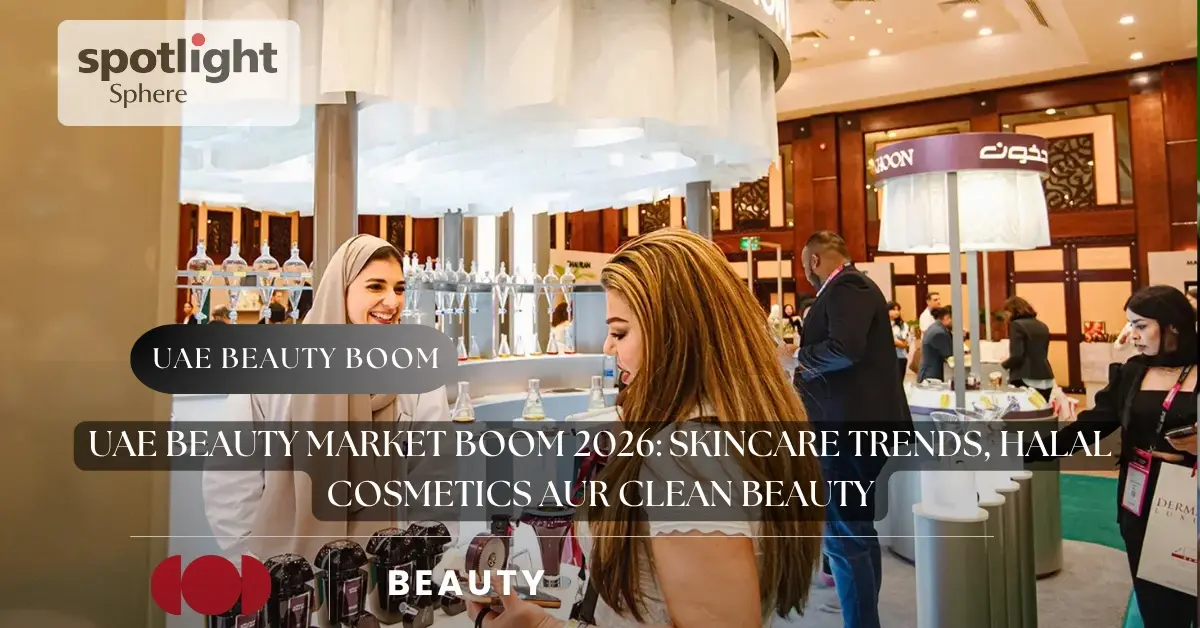
Last month a friend of mine stood in a Sephora in Dubai Mall for almost twenty minutes. Not because she could not decide what to buy. Because she was reading the back of every single moisturiser on the shelf. Ingredients by ingredient.
That is the UAE beauty shopper in 2026. And honestly it changes everything about how this market works.
This Is Not the Same Market It Was Three Years Ago
People used to come to Dubai, grab a perfume at the airport, maybe pick up something from a luxury counter, and leave. That was the UAE beauty story for a long time. A transit market. A gift-buying stop.
Not anymore.
Residents here now have opinions about niacinamide concentrations. They follow dermatologists on Instagram. They know which local influencer has actually tested a product versus which one just got paid to hold it up. The level of awareness has jumped dramatically and brands that have not noticed are genuinely struggling.
The market is sitting around 3.49 billion USD this year. Headed toward 4.68 billion by 2031. Those are big numbers but they mean nothing without understanding the people behind them. And the people behind them have changed.
Skincare Runs This Market and the Reason Is Simple
You Cannot Survive a Dubai Summer Without It
Nobody in the UAE does skincare for fun. They do it because the sun here is genuinely aggressive. Nine months of the year you are walking into direct heat that breaks down your skin barrier faster than most people in the world ever experience. The humidity swings. The air conditioning dries everything out. Your skin is constantly under pressure.
So when research shows that skincare holds about 45 percent of the entire UAE beauty market that figure makes complete sense. It is not driven by trends. It is driven by necessity.
SPF has become the most boring and most essential part of a UAE skincare routine. Over 60 percent of people across the Gulf say sun protection is something they think about every single day. Not occasionally. Every day. That consistent demand is what keeps this category so stable regardless of what is happening elsewhere in the economy.
The Ingredient Conversation Has Gotten Serious
A shop assistant at a skincare counter in Abu Dhabi told me something interesting recently. She said customers five years ago asked which product was the most popular. Now they ask which one has the highest concentration of a specific active and whether it is stable in heat.
That shift is real. Copper Tripeptide-1 is getting serious attention in 2026, particularly among women in their thirties who want something that builds long-term collagen health rather than just sitting on top of the skin. Anti-aging formulations built specifically for the Gulf climate are performing well in medical spas and dermatology clinics across Dubai. These are not impulse purchases. They are considered decisions made by people who have done their research.
Halal Beauty Grew Up and Became Mainstream
It Was Never Just About Religion
When halal cosmetics started getting attention in the UAE the conversation was almost entirely framed around religion. Muslim consumers wanted products that did not contain alcohol or animal derivatives. Which was true and valid and an important starting point.
But something unexpected happened over time.
Non-Muslim shoppers started buying halal-certified products too. And when you ask them why the answers are not religious at all. They talk about cleaner ingredient lists. The talk about brands that are more transparent about sourcing. They talk about cruelty-free production. The halal label started working as a quality signal for people who had no religious reason to seek it out.
That is when the category stopped being niche.
The UAE Government Made the Rules Clear
What gave halal beauty real credibility here was regulation. The Emirates Authority for Standardization and Metrology brought in mandatory certification requirements for any brand making halal claims. Dubai Municipality runs the Montaji system which verifies products before they can be sold here.
This matters because in a lot of markets halal is self-declared. A brand prints it on the label and nobody checks. In the UAE somebody checks. That difference has made consumers here more confident in the label and more willing to pay a premium for certified products. Brands that went through the proper process are benefiting from that trust. Brands that cut corners are getting caught.
Huda Beauty Changed What Was Possible
There is no polite way to say this. Before Huda Beauty a lot of people in the global industry did not think a cosmetics brand built in Dubai could compete at the highest level. Then it did. Loudly.
What Huda Kattan built from a beauty blog into a globally stocked cosmetics line did more for UAE beauty credibility than any marketing campaign could have. It showed regional entrepreneurs that the market here could launch something world-class. And now those entrepreneurs are doing exactly that with their own halal-certified, culturally rooted brands.
Clean Beauty Stopped Being a Preference. People Here Expect It Now.
Younger Shoppers Changed the Rules
The millennials and Gen Z consumers shopping in the UAE today grew up online. The watched ingredient exposés go viral. They saw brands get called out for misleading labelling. They followed accounts that taught them what parabens actually do and why some fragrance compounds are worth avoiding.
By the time they started spending their own money on beauty products they already knew what they did not want in them.
A YouGov survey from 2024 found that around 63 percent of UAE and Saudi respondents were actively interested in organic or halal-certified beauty products. That is not a niche percentage. That is a majority preference among a consumer group that is growing in spending power every year.
Brands Are Being Forced to Actually Change
The response from the industry has been real not performative. International brands entering the UAE in 2026 are not arriving with their standard global formula and a translated label. Bringing climate-adapted versions. They are publishing full ingredient transparency. They are rethinking packaging for sustainability because UAE consumers are asking about it.
The brands that treat the UAE as an afterthought market are losing ground to regional players who understand exactly what shoppers here want because they live here too.
Men’s Grooming Is the Story Nobody Is Talking About Enough
Five years ago a man in Dubai asking for a personalised skincare consultation at a grooming salon would have been unusual. Today it is normal. The MENA men’s beauty market is growing at around 15 percent and the products driving that are not basic. Scalp treatments. Anti-aging serums. Dedicated routines with multiple steps.
Male grooming spaces built specifically for this shift are opening across Dubai and Abu Dhabi. Not barbershops with a fancy name. Actual professional environments where men come in with skin concerns and leave with a regimen. The clients using these spaces are not embarrassed about it. They made appointments because they decided their skin matters and they want professional help with it.
That attitude shift is one of the most interesting things happening in UAE beauty right now.
Social Media Here Is Not an Influence. It Is the Purchase Decision.
The UAE has roughly 10 million active social media accounts. The population is about 9.5 million. You do not need to overthink what that means for how people discover and buy products.
A Gulf creator with a genuinely trusted audience can shift units faster than a six-month advertising campaign. The key word is genuinely trusted. UAE beauty consumers are sharp. They notice when a review feels scripted. They notice when an influencer suddenly loves a brand they never mentioned before. The accounts that have built real credibility here did it slowly and they guard it carefully.
Brands that figured this out early built real presence. Brands that bought followers and paid for hollow endorsements spent money and got nothing lasting.
The other thing worth knowing is how fast things move. An ingredient trending in a Sunday video can be sold out by Tuesday. The brands that can respond at that speed win consistently. The ones still running three-month product launch cycles are always arriving late.
Where Things Go From Here
The UAE beauty market is not going to slow down. The conditions that created it are not going anywhere. The sun is still intense. The population is still growing. The consumers are still getting more informed and more demanding with every passing year.
Skincare will keep leading because the climate will keep creating the need. Halal beauty will keep growing because the generation now driving demand was raised with those values and they are not going to stop caring about them. Clean beauty will become harder to fake as both consumers and regulators get more sophisticated.
What is actually exciting about the UAE beauty scene in 2026 is not the market size. It is the fact that consumers here are setting a standard. They are informed, they are particular, and they are willing to walk away from a brand that does not meet their expectations.
This is really one of the most fascinating places on Earth to witness beauty blossom right now.
Explore more beauty trends and skincare insights at Spotlight Sphere.
